Personal Definition
Balance looks different for everyone. Consider what matters most to you and how you want to allocate your time and energy across life areas.
Strategies for creating sustainable boundaries and allocating time across professional responsibilities and personal priorities.
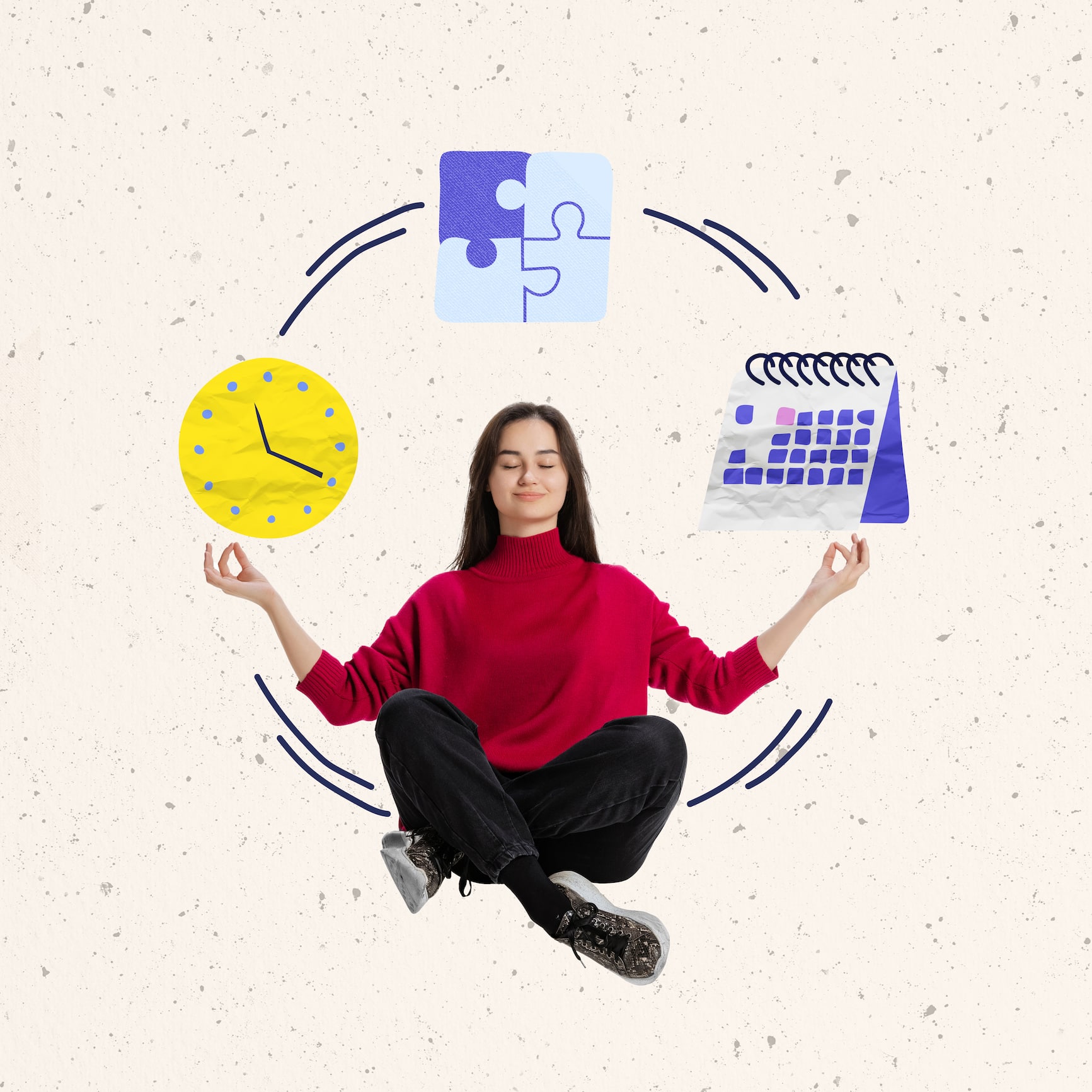
Balance looks different for everyone. Consider what matters most to you and how you want to allocate your time and energy across life areas.
Balance isn't a fixed state but an ongoing adjustment based on changing circumstances, seasons of life, and evolving priorities.
Consider balance across work, relationships, health, personal growth, leisure, and community involvement rather than just work versus everything else.
Establish clear start and end times for work activities. Communicate these boundaries to colleagues and honor them consistently.
If possible, designate specific spaces for work and separate areas for personal activities to create mental separation.
Consider turning off work notifications during personal time and establishing periods when you're not available for work communications.
Recognize your capacity limits and avoid overcommitting. It's acceptable to decline requests that would compromise your well-being.
Review your week in advance, blocking time for both professional obligations and personal priorities like exercise, hobbies, or relationships.
Categorize tasks by importance and urgency to make informed decisions about where to focus your time and attention.
Periodically monitor how you actually spend your time to identify discrepancies between your intentions and reality.
Build flexibility into your schedule to accommodate unexpected events without derailing your entire plan.
Take short breaks throughout your workday to maintain focus and prevent burnout. Step away from your workspace during lunch.
Group similar activities together to minimize context switching and improve efficiency during work hours.
Identify tasks that could be handled by others, freeing your time for activities that require your specific skills or attention.
Set achievable goals for what you can accomplish in a given timeframe, accounting for interruptions and unexpected demands.
Schedule regular time with family and friends, treating these commitments with the same importance as professional obligations.
Include activities that support your physical and mental well-being, such as exercise, hobbies, or relaxation practices.
Allocate time for personal development, whether through reading, courses, or exploring new interests outside of work.
Prioritize adequate sleep and downtime. Rest is not optional but essential for sustained performance and well-being.
Consider involvement in community activities, volunteering, or social groups that provide meaning beyond work.
Periodically assess whether your current balance aligns with your values and make adjustments as needed.